

• About Us
    • Our team
    • Code of Conduct
    • Disclaimer Policy
  • Policy
    • Privacy
    • Copyright
    • Refund Policy
    • Terms & Condition
  • Submit Post
    • Guideline
    • Submit/Article/Blog
    • Submit-Event/Job/Internship
  • Join Us
    • Intership
    • Campus Ambassador
  • Media Partnership
  • Advertise
    • Magazine
    • Website
  • Contact us
Thursday, November 19, 2026
  • Login
law Jurist
Advertisement
  • Home
  • Articles
    • Articles
  • CASE LAWS
    • CRPC
    • IPR
    • Constitution
    • International Law
    • Contract Laws
    • IBC
    • Evidence Act
    • CPC
    • Property Law
    • Companies Act
    • CRPC
    • AI and law
    • Banking Law
    • Contact Laws
    • Criminal Laws
  • Law Notes
    • CPC Notes
    • Contract Laws Notes
    • Bharatiya Nyaya Sanhita
    • International Law Notes
    • Constitution Notes
    • Companies Act Notes
    • Banking Law Notes
    • Evidence Act Notes
  • Opportunities
    • Internship
    • Moot Court
    • Courses
    • Seminar
  • Careers
    • Law School Update
    • Judiciary
    • CLAT
  • JOURNAL
  • Legal Documents
  • Bare Act
  • Lawyers corner
  • Draftmate
No Result
View All Result
law Jurist
No Result
View All Result

What Is the Difference Between a Plea Deal and a Dismissal of Criminal Charges?

Law Jurist by Law Jurist
19 November 2026
in Lawyers corner
0
What Is the Difference Between a Plea Deal and a Dismissal of Criminal Charges?

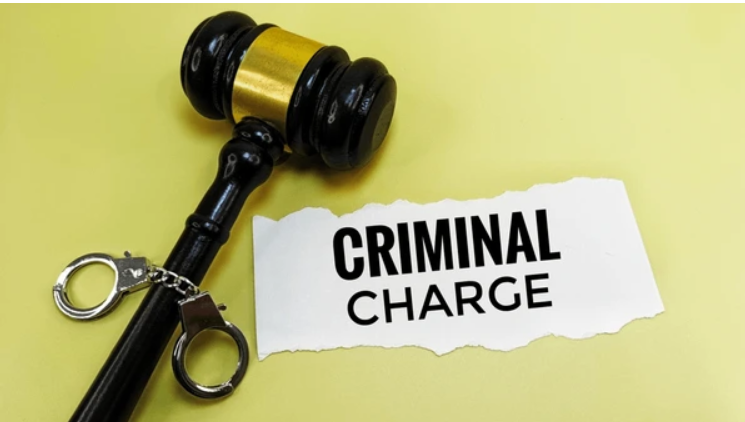
A plea deal and a dismissal of criminal charges are two different ways a criminal case may be resolved. A plea deal involves an agreement between the defendant and the prosecution, often in exchange for a guilty or no-contest plea and certain concessions. A dismissal means the charges are dropped, although whether they can be filed again depends on the circumstances and applicable law.

Austin is the capital of Texas and a major cultural and high-tech hub in Central Texas, with a population of approximately 993,771. Understanding the criminal justice process is important for residents facing criminal allegations, as the outcome of a case can affect employment, finances, and future opportunities.

An Austin criminal defense attorney can review the allegations, explain the available legal options, and help defendants understand the potential consequences of accepting a plea deal or seeking dismissal. The right approach depends on the evidence, the charges, and the circumstances of the case.

What Is a Plea Deal?

A plea deal, also known as a plea bargain, is an agreement between the prosecution and the defendant to resolve a criminal case without going through a full trial. The defendant may agree to plead guilty or no contest in exchange for reduced charges, a sentencing recommendation, or the dismissal of other charges.

For example, a defendant facing several charges might agree to plead guilty to one offense if the prosecution agrees to drop another. However, the final sentence may still depend on the judge’s authority and the terms of the agreement.

Under Texas Code of Criminal Procedure Article 26.13, courts must provide specific information to defendants before accepting guilty or no-contest pleas in felony cases. The court must address matters such as the consequences of the plea and whether it is made voluntarily.

What Does Dismissal of Criminal Charges Mean?

A dismissal occurs when criminal charges are dropped and the prosecution of those charges ends. This may happen because of insufficient evidence, unreliable witness testimony, procedural problems, or other legal reasons.

A prosecutor may request dismissal, or a judge may dismiss charges when legally justified. Whether charges can be brought again depends on the basis for dismissal and whether the dismissal is with or without prejudice.

Unlike a guilty plea, a dismissal generally does not result in a conviction on the dismissed charge. However, the arrest or court record may remain, so dismissal does not automatically mean that all related records are erased.

Key Differences Between a Plea Deal and a Dismissal

Although both outcomes can resolve a criminal case, they have different consequences.

  • Admission of guilt: A plea deal may require the defendant to plead guilty or no contest. A dismissal does not require such a plea.
  • Conviction: A guilty plea generally results in a conviction once accepted by the court. A dismissal generally does not.
  • Penalties: A plea deal may involve fines, probation, or imprisonment. Dismissed charges do not result in a sentence for those charges.
  • Future consequences: A conviction may affect employment, professional licensing, and other opportunities. A dismissal may reduce these consequences, but related records may still require separate legal action.

Federal law also provides for dismissal in certain circumstances. 18 U.S.C. § 3162 addresses remedies for violations of the federal Speedy Trial Act, including dismissal of charges in specified situations. This statute applies to federal criminal proceedings, not automatically to cases prosecuted under Texas law.

Which Option Is Better for Your Case?

Neither outcome is guaranteed, and the better option depends on the evidence and circumstances. A dismissal may be preferable because it avoids a conviction on the dismissed charges, while a plea deal may offer a more predictable outcome when the prosecution has strong evidence.

Before accepting an agreement, defendants should understand the potential sentence, the effect of a plea on their criminal record, and any other legal consequences. A defense attorney can evaluate the evidence, identify possible defenses, and explain whether seeking dismissal or negotiating a plea is a reasonable strategy.

 

Previous Post

What Happens If a Doctor Fails to Inform You About the Risks of a Medical Procedure?

Leave a Reply Cancel reply

Your email address will not be published. Required fields are marked *

Recent Posts

  • What Is the Difference Between a Plea Deal and a Dismissal of Criminal Charges?
  • What Happens If a Doctor Fails to Inform You About the Risks of a Medical Procedure?
  • The Legal Challenges of AI-Generated Deepfakes in India: Privacy, Consent and Accountability.
  • Fake Judicial Orders and Internet Blocking in India: Examining Due Process, Administrative Accountability and Freedom of Expression.
  • Can a College Student Request a Different Jury Service Date During Final Exams

Recent Comments

  1. What Is the Difference Between a Plea Deal and a Dismissal of Criminal Charges? – law Jurist on Five Evidence-Gathering Strategies Defining Kentucky Personal Injury Claims in 2026
  2. What Happens If a Doctor Fails to Inform You About the Risks of a Medical Procedure? – law Jurist on Power Behind Bars: The Legal Concerns About VIP Treatment in Bengaluru’s Parappana Agrahara Jail
  3. Can a College Student Request a Different Jury Service Date During Final Exams – law Jurist on What Factors Can Turn a Simple Assault Charge Into an Aggravated Assault Case?
  4. What Factors Can Turn a Simple AssaultCharge Into an Aggravated Assault Case? – law Jurist on Decriminalisation of Corporate Offenses in India: Reforming Compliance or Diluting Accountability?
  5. What Should You Ask a Property Lawyer Before Buying an NYC Apartment? – law Jurist on Resolving Inheritance Disputes When Beneficiaries or Executors Fail to Cooperate.

Archives

  • November 2026
  • October 2026
  • September 2026
  • August 2026
  • July 2026
  • June 2026
  • May 2026
  • April 2026
  • March 2026
  • February 2026
  • January 2026
  • December 2025
  • November 2025
  • October 2025
  • September 2025
  • August 2025
  • July 2025
  • June 2025
  • May 2025
  • April 2025
  • March 2025
  • February 2025
  • January 2025
  • December 2024
  • November 2024
  • October 2024
  • September 2024
  • August 2024
  • July 2024
  • June 2024
  • May 2024
  • April 2024
  • March 2024

Categories

  • About Us
  • Articles
  • Articles
  • Bare Acts
  • Bharatiya Nyaya Sanhita
  • Careers
  • CASE LAWS
  • Companies Act
  • Constitution
  • Constitution Notes
  • Contact Laws
  • Contract Laws
  • Criminal Laws
  • CRPC
  • IBC
  • Internship
  • IPR
  • Law Notes
  • Lawyers corner
  • Moot Court
  • Property Law
  • Seminar
  • Startup

Description

Law Jurist is dedicated to transforming legal education and practice. With a vision for change, they foster an inclusive community for law students, lawyers, and advocates. Their mission is to provide tailored resources and guidance, redefining standards through innovation and collaboration. With integrity and transparency, Law Jurist aims to be a trusted partner in every legal journey, committed to continuous improvement. Together, they shape a future where legal minds thrive and redefine impact.

Contact US

Gmail : lawjurist23@gmail.com

Phone : +91 6360756930

Categories

  • About Us
  • Articles
  • Articles
  • Bare Acts
  • Bharatiya Nyaya Sanhita
  • Careers
  • CASE LAWS
  • Companies Act
  • Constitution
  • Constitution Notes
  • Contact Laws
  • Contract Laws
  • Criminal Laws
  • CRPC
  • IBC
  • Internship
  • IPR
  • Law Notes
  • Lawyers corner
  • Moot Court
  • Property Law
  • Seminar
  • Startup

Search

No Result
View All Result
  • About Us
  • Bare Act
  • Code of Conduct
  • Contact us
  • Disclaimer Policy
  • Home 1
  • Join Us
  • Legal Documents
  • Our team
  • Policy
  • Privacy
  • Submit Post
  • Website
  • About Us
  • Refund Policy
  • Terms & Condition
  • Policy
  • Submit Post
  • Join Us
  • Media Partnership
  • Advertise
  • Contact us
  • Articles
  • CASE LAWS
  • About Us

Made with ❤ in India. © 2025 -- Law Jurist, All Rights Reserved.

No Result
View All Result
  • About Us
  • Bare Act
  • Code of Conduct
  • Contact us
  • Disclaimer Policy
  • Home 1
  • Join Us
  • Legal Documents
  • Our team
  • Policy
  • Privacy
  • Submit Post
    • Submit-Event/Job/Internship
  • Website
  • About Us
    • Our team
    • Code of Conduct
    • Disclaimer Policy
  • Refund Policy
  • Terms & Condition
  • Policy
    • Privacy
    • Copyright
  • Submit Post
  • Join Us
    • Internship
    • Campus Ambassador
  • Media Partnership
  • Advertise
  • Contact us
  • Articles
  • CASE LAWS
  • About Us

Made with ❤ in India. © 2025 -- Law Jurist, All Rights Reserved.

Welcome Back!

Login to your account below

Forgotten Password?

Retrieve your password

Please enter your username or email address to reset your password.

Log In