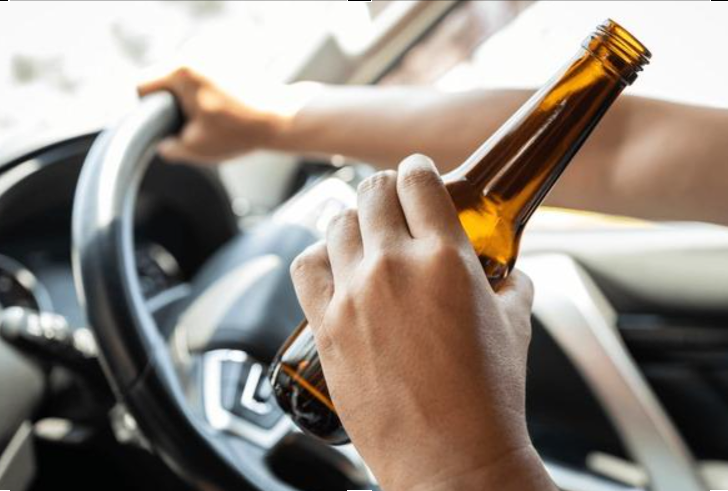
Drunk driving accidents cause immense harm every year, leaving victims with serious injuries, financial stress, and emotional trauma. Proving fault in these cases is essential to securing the compensation victims need to recover.
However, establishing liability can be complicated, especially when insurance companies or the at-fault driver try to deny responsibility. This is why many injured individuals choose to work with an experienced attorney. Legal help after a drunk driving accident can make the difference between a denied claim and a successful case outcome.
Gathering Crucial Evidence
One of the most important roles a lawyer plays is collecting strong evidence to support the claim. In drunk driving cases, evidence must clearly show that the driver was impaired and that their impairment directly caused the accident. Attorneys gather materials such as
- Police reports
- Breathalyzer or blood alcohol test results
- Dashcam or surveillance footage
- Witness statements
- Accident scene photos
- Expert evaluations
This evidence helps build a clear picture of what happened and makes it harder for the responsible party to dispute fault.
Obtaining Toxicology Reports and Police Testimony
Toxicology results are central to proving impairment. A lawyer works to secure BAC (blood alcohol concentration) test results, field sobriety test notes, and any officer observations of the driver’s behavior. Attorneys also communicate with the responding officers to document their testimony. Law enforcement evidence carries significant weight and commonly forms the backbone of a strong case.
Working with Accident Reconstruction Experts
In cases where the events leading to the accident are unclear, an attorney may bring in accident reconstruction specialists. These experts analyze skid marks, vehicle damage, debris patterns, and roadway conditions to determine exactly how the crash occurred. When paired with toxicology data, reconstruction reports can clearly connect the impaired driver’s actions to the collision.
Proving the Driver’s Negligence
To win a claim, victims must show that the drunk driver acted negligently. A lawyer establishes negligence by demonstrating:
- The driver owed a duty of care to operate the vehicle safely.
- Driving while intoxicated violated that duty.
- The violation caused the accident.
- The victim suffered measurable damages.
By presenting evidence in a structured legal framework, attorneys make it difficult for insurers or defense lawyers to argue against fault.
Handling Insurance Companies
Insurance companies often attempt to downplay impairment, shift blame onto the victim, or push for a quick, low settlement. Attorneys protect victims from these tactics by managing all communication and negotiations. They ensure the insurance company does not misrepresent facts or take advantage of the victim during a stressful time.
Preserving Evidence Before It Disappears
Evidence can easily be lost if not preserved immediately. Surveillance footage may be erased, witnesses may forget important details, and vehicles may be repaired or scrapped. A lawyer acts quickly to secure every piece of evidence before it becomes unavailable. This early action strengthens the case significantly.
Proving Damages and Ensuring Fair Compensation
In addition to proving fault, attorneys calculate and prove the full extent of the victim’s damages. This may include:
- Medical bills
- Lost wages
- Future medical expenses
- Pain and suffering
- Property damage
- Long-term disability
- Emotional trauma
Lawyers fight to secure compensation that reflects the total impact of the crash, not just the immediate expenses.
Why Legal Representation Matters
Drunk driving accident cases often involve aggressive defense strategies and complicated evidence. Having a skilled attorney ensures that no detail is overlooked and that the victim’s rights are fully protected. With strong legal advocacy, victims stand a far better chance of obtaining justice and financial recovery.
Key Takeaways
- Proving fault in a drunk driving accident requires strong evidence and skilled legal strategy.
- Legal help after a drunk driving accident ensures victims have the support needed to pursue justice.
- Lawyers gather police reports, toxicology results, and witness statements to establish impairment.
- Attorneys work with experts, preserve evidence, and challenge insurance company tactics.
- Legal representation helps victims recover full and fair compensation for their injuries and losses.



 0
0
 0
0